
Category: Herb
-
Golden Root
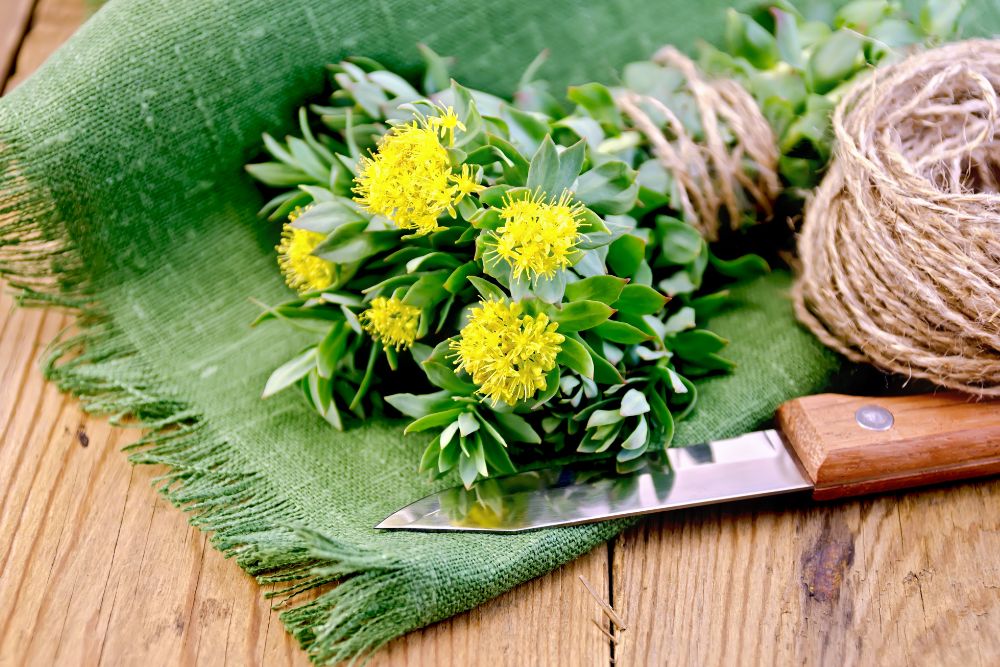
Rhodiola (Rhodiola rosea) (also called Golden Root) has been used for centuries in traditional medicine practices. This yellow-blossomed plant prefers sandy soils at high altitudes in Northern Europe and Asia. Dioscorides, a Greek physician, first wrote about rodia riza in 77 C.E. It was later renamed Rhodiola rosea due to the rose-like fragrance caused by cutting its fresh roots.…
-
Guggul Your Fats

Guggul is a yellowish oleogum resin from the guggul tree (Commiphora mukul) and has been used for thousands of years to treat a variety of health diseases. Ayurvedic practitioners have used it for millennia to help with atherosclerosis, high cholesterol, rheumatism, and weight management. Primarily found in India, Bangladesh, and Pakistan, it has been shown…
-
Peppermint: More than a Seasonal Candy

Peppermint is one of the most popular herbs used today, and it becomes most apparent each year when the holidays roll around. As cooler weather descends, people all over the globe are bombarded by peppermint; peppermint mocha, peppermint bark, candies, canes, and the list goes on and on. It comes in a wave of ever-rising…
-
Herbs for Prosperity and Luck in the New Year

Feng Shui isn’t complete without taking the time to think a bit more about plants. The items in a home all contain energetic components and using herbs for good luck is a great practice. Not only to give your home a greater level of feng shui, but it offers a large list of other potential…
-
Oregano–Much More than Topping for Your Pizza Pie

A member of the mint family, oregano is a flowering plant native to the Mediterranean region. Oregano (Origanum vulgare) is easy to grow–makes a lovely ground cover–and is a versatile botanical for both culinary and medicinal use. In traditional herbal medicine, oregano (typically the essential oil) has been used to ease the symptoms of a…
-
Dill Weed: More than Just a Spice

Most people are familiar with dill weed as a dried or fresh spice used in cooking that adds a mild peppery flavor to pickled foods, sauces, stews, grilled meat or fish, potatoes, rice, and pasta dishes. What you may not know is that dill has been in use for centuries for medicinal purposes. Native to…
-
Wild Herb and Foraging Identification is Easy with an App!

If you’d like to learn more about the wild plants growing in your neck of the woods and you don’t want to carry a pocket guide with you, well, you guessed it: there’s an app for that! Here we present just a few options for apps that can help you become a better forager. When…
-
Bilberries: Herbal Remedy Rich in Antioxidants

The “wild cousin” of blueberry, sweet and tangy bilberries (Vaccinium myrtillus) have been used as a botanical medicine since the early Middle Ages. Tea brewed from bilberry leaves was used to treat imbalances in blood sugar. European herbalists used bilberry as a remedy for bladder infections as well as for stomach and gastrointestinal complaints. In modern herbal…
-
Reduce Pain, Inflammation with Devil’s Claw

For the indigenous tribes of southern Africa, Devil’s Claw (Harpagophytum procumbens) has been used medicinally to alleviate migraines, gastrointestinal distress, and fevers. Salves made from Devil’s Claw were prepared to help reduce inflammation that accompanied wounds, rashes and other skin conditions. Today, Devil’s Claw is a scientifically validated remedy for pain and inflammation associated with…
-
Cumin: Botanical Medicine for Digestive Health

A popular spice for cuisine and medicinal healing in many parts of the world, cumin (Cuminum cyminum) is robust with a nutty, peppery flavor that packs a little zing for the senses. From the moment that a food rich in cumin enters your mouth, it activates the salivary glands which initiates the digestive process. It is no…