
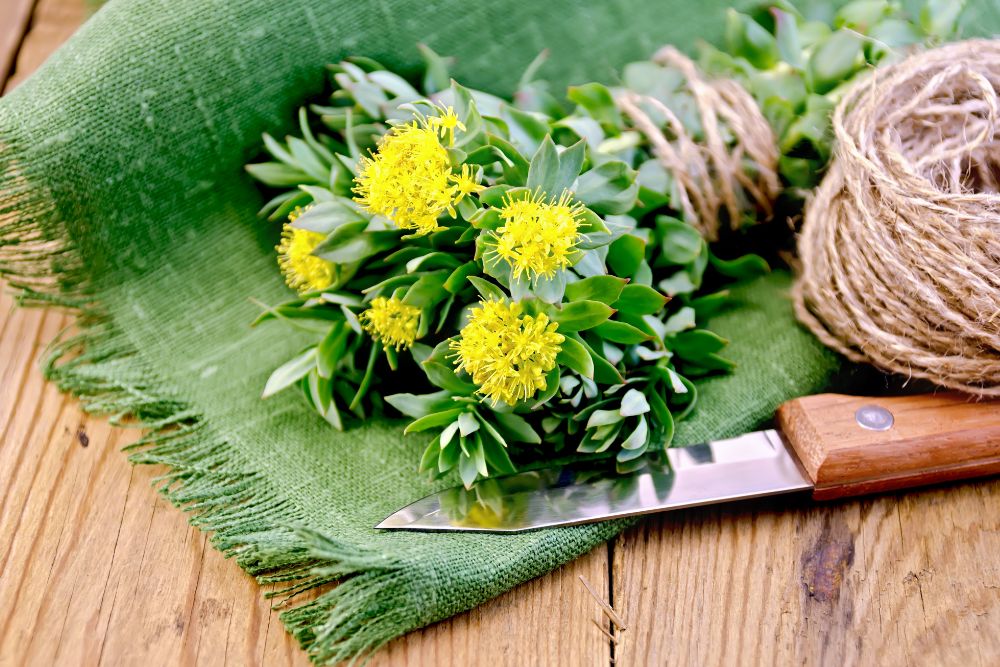
Rhodiola (Rhodiola rosea) (also called Golden Root) has been used for centuries in traditional medicine practices. This yellow-blossomed plant prefers sandy soils at high altitudes in Northern Europe and Asia. Dioscorides, a Greek physician, first wrote about rodia riza in 77 C.E. It was later renamed Rhodiola rosea due to the rose-like fragrance caused by cutting its fresh roots. In folk medicine traditions, rhodiola was used to treat fatigue, depression, infections, and to help rebalance reproductive and gastrointestinal health. Additionally, it was used to help increase endurance, for asthmatic support, and even increase resistance to high altitude sickness.
It is an adaptogenic herb, meaning it is beneficial in supporting the body during stressful situations. It is also antioxidant, anti-inflammatory, protects cells from dying, improves brain metabolism, and can even improve blood flow to the heart. Modern research shows rhodiola can help improve memory and learning though more research is needed.
In regards to depression, rhodiola has shown promising results in studies, showing improvements in subjects with major depressive disorder. In those with fatigue and depression, this herb shows promising results to improve the overall quality of life. Rhodiola is generally well-tolerated, though it is not recommended in people who tend to be anxious or agitated because it can be overstimulating for some people. As a result, it’s not recommended for use in those who have bipolar without a doctor’s supervision.

Leave a Reply