
Category: Food
-
Crimson Antioxidants to the Rescue

Red oranges (Citrus sinensis), better known as ‘blood oranges’, are assumed to come from China or southern Mediterranean regions, but that hasn’t been confirmed. They are most well-known in Italy and Spain but have been growing in popularity in the United States. These fruits have bright orange skin with a striking red to almost black…
-
Chickpea – The Powerhouse Legume

Cicer arietinum, more commonly known as chickpea or garbanzo bean, is an important component to vegetarian and vegan-based diets. Now, an important distinction to be aware of is the difference between pulses and legumes. Pulses are the edible seeds harvested from a legume plant which includes beans, lentils, and peas. A legume just refers to…
-
Nuts for Coconut!
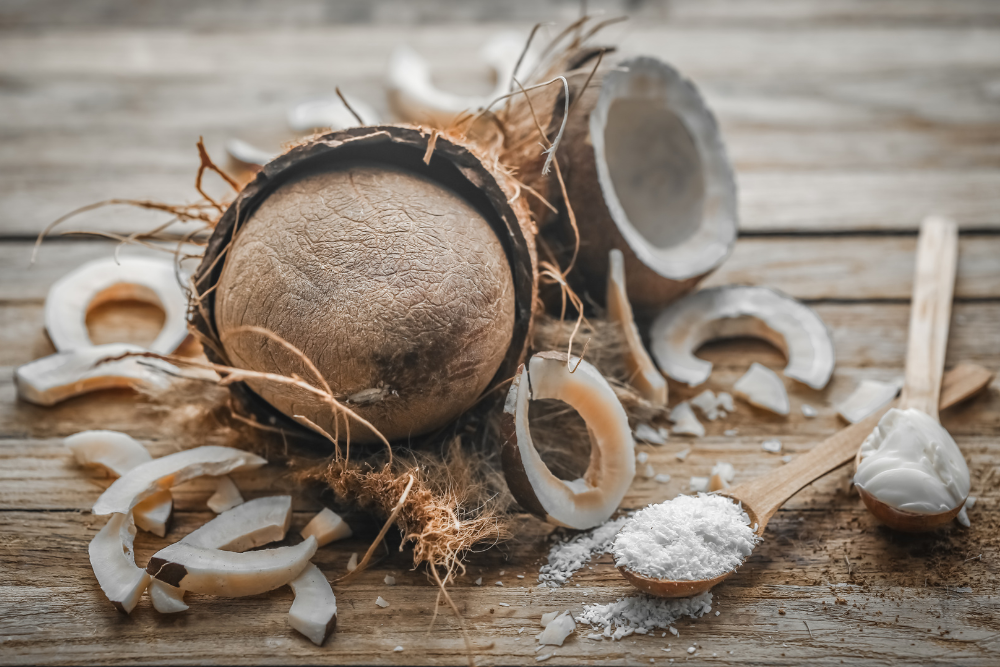
If you’ve done any research into health in the last 20 years or so, it seems like coconut is everywhere. Cocos nucifera, commonly known as the coconut palm, grows throughout tropic regions around the Earth. It prefers areas with sandy soil, lots of fresh water, humidity, and an ambient air temperature of around 80 or more…
-
Find Flavor with Blackstrap Molasses

Want to add some flavor to your cooking without adding a whole lot of sugar? Blackstrap molasses may be just the thing! The process of making black strap molasses is a bit involved. Typically, cane sugar (Saccharum officinarum) or sugar beets (Beta vulgaris) are processed several times in order to extract all of their sweetness;…
-
Be Spinach Strong

Popeye the Sailor Man is a character developed in 1929 by Elzie Crisler Segar. Popeye was famous for eating spinach and becoming super strong whenever he ate a can of it. But, the humble roots of spinach began long before Popeye pushed it into the national light. Spinach (Spinacia oleracea) can be dated back thousands…
-
Cherries – A Taste of Summer

When the first day of summer arrives, it means cherry season is just around the corner! Although there are hundreds of different varieties of cherries, in the United States they are separated into two types: sweet cherries (Prunus avium L.) and tart cherries (Prunus cerasus L.). These little bursts of flavor are loaded with health benefits. For example,…
-
Plantain – When a Banana is Not a Banana
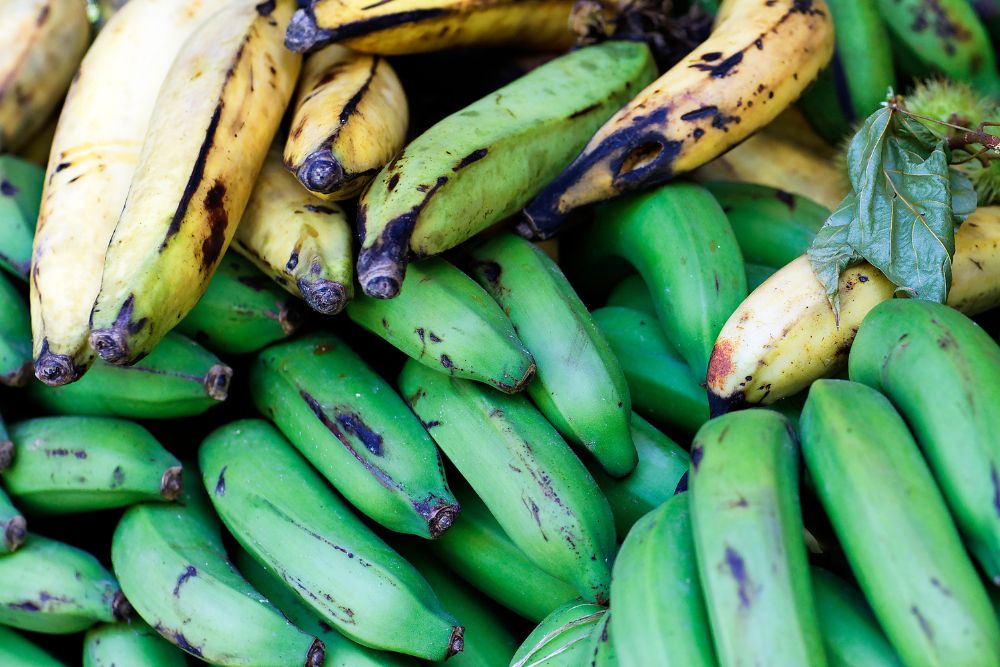
Though similar to a banana, plantains are not as sweet and should be cooked before consumption. Grown in tropical regions, plantains (Musa paradisiaca) are ranked as the 10th most important staple food in the world. Plantains are a good source of fiber and complex carbohydrates. They also have vitamins A, C, and B6, and contain…
-
Getting to the Heart of Artichokes
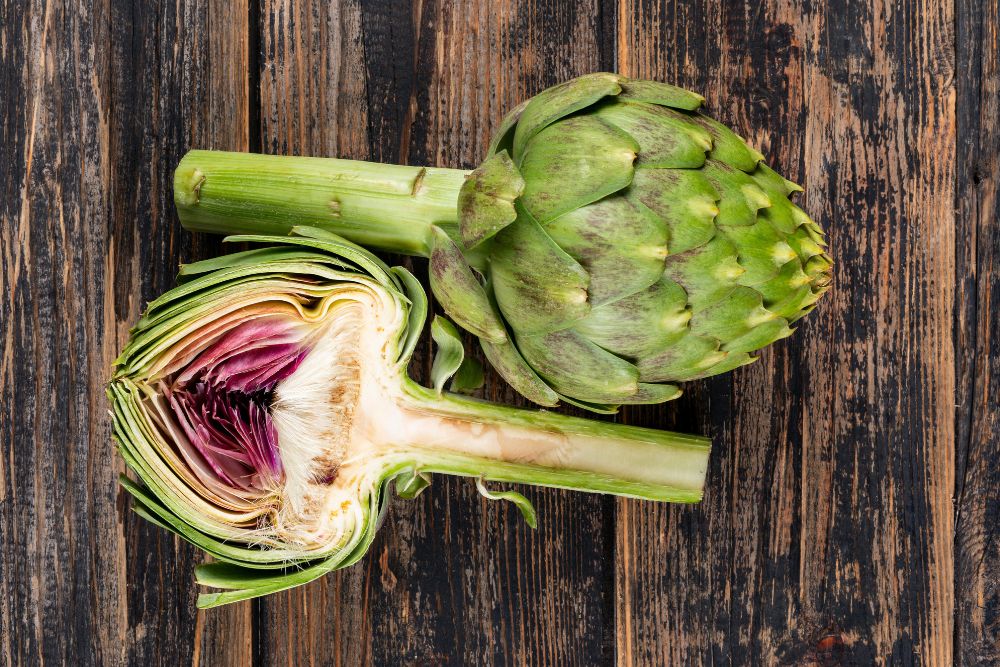
Cynara scolymus, more commonly known as artichoke, is a plant native to the Mediterranean region. Artichoke, being popular with the ancient Greeks and Romans, has been used for centuries as food and medicine. In modern times, it is cultivated around the world. The artichoke plant can be broken down into several parts including the globe.…
-
The Complexities of Kefir

You may be wondering: what is kefir? Kefir may be one of the less well-known fermented dairy products; however, its health-promoting benefits are undeniable. Originating from the Caucasian Mountains, kefir has been made by local communities there for hundreds to thousands of years. It is generally made with cow’s milk, but other kinds of milk…
-
Calming Caraway

Caraway (Carum carvi) is an aromatic plant that is native to Europe and Western Asia. The seeds, actually the dried fruit of the caraway plant, have been used for thousands of years for health and culinary purposes. Traditionally, caraway has been used for its ability to support the digestive system. It can help with flatulence,…