
Tag: herb
-
Nature’s Aphrodisiac Damiana

Damiana (Turnera diffusa) is native to Mexico and other Latin American countries. It grows in higher elevations in semiarid areas and reaches 12-20 inches tall. North American Indians used damiana as a muscle tonic and to regain strength after alcoholic and sexual excesses. Known as a potent plant aphrodisiac, this calming plant is becoming more…
-
Benefits of Green Coffee Beans
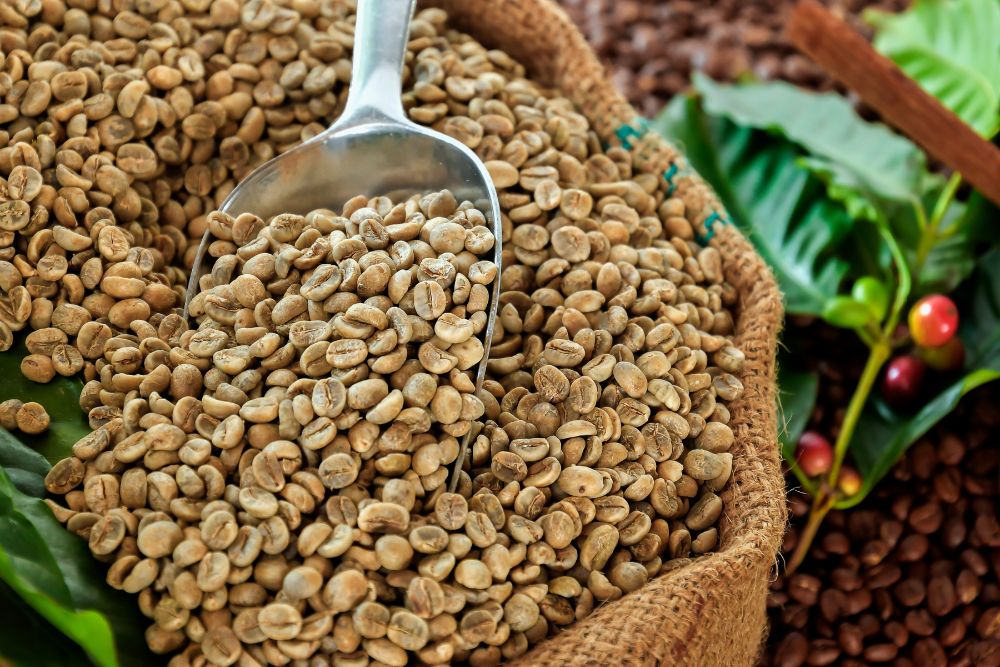
Green coffee beans are simply unroasted coffee beans, meaning they are completely raw. Green coffee beans contain a compound called chlorogenic acids (CGA) which are easily digestible in humans. These acids are mostly destroyed during the coffee roasting process. CGAs are being studied for their antioxidant and anti-inflammatory qualities as well as a tool to…
-
Thyme for Health!

A common kitchen herb, thyme (Thymus vulgaris) has been used for centuries for culinary and medicinal reasons. Nowadays, it is also used in the commercial industry for perfumes, food flavorings, mouthwashes, pharmaceutical products, etc. A perennial, evergreen shrub, thyme is used for its leaves. It can tolerate a wide variety of growing conditions including frost, drought, and…
-
Berberines to the Rescue

Berberine is a natural alkaloid present in plants from the Berberis genus which includes approximately 450-500 species. Its earliest recorded use was in Assyria in 650 BC as a blood-purifying agent. Asian cultures have used plants from the Berberis species for over 3000 years. Traditional uses of berberine included using it in a variety of…
-
Process your Sweets with Fenugreek
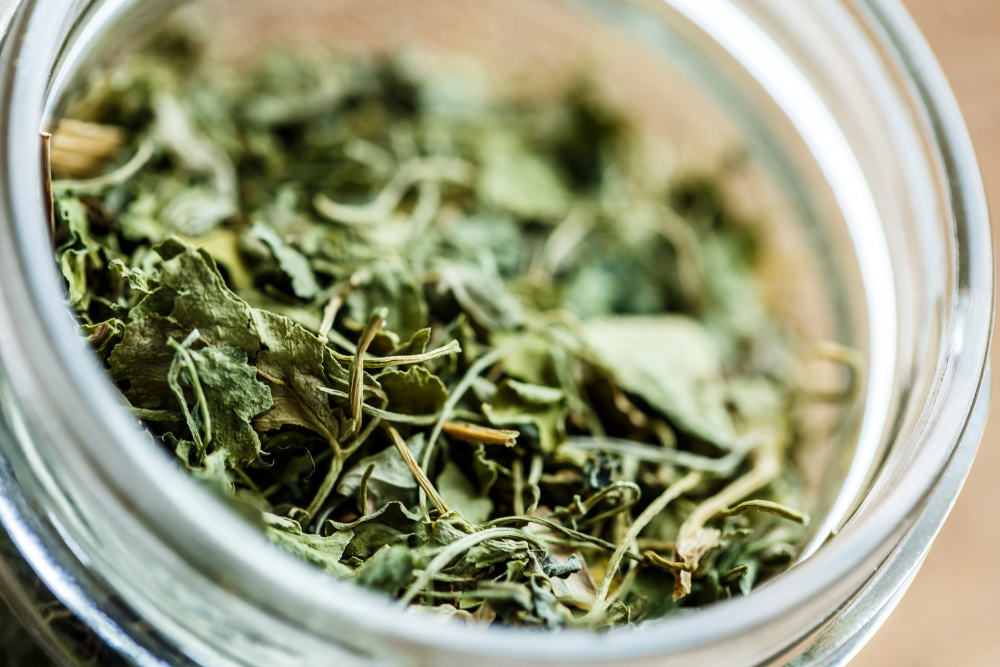
Fenugreek (Trigonella foenum-graecum) originated in the Mediterranean, Southern Europe, and Western Asia regions of the world. Its Latin name trigonella is due to the triangular-shaped flowers. Fenugreek is a semi-arid plant that is grown around the world. Persian, Chinese, Greek, and Indian cultures used it for a variety of purposes, and it is one of…
-
Add Sweetness to Your Day with Licorice
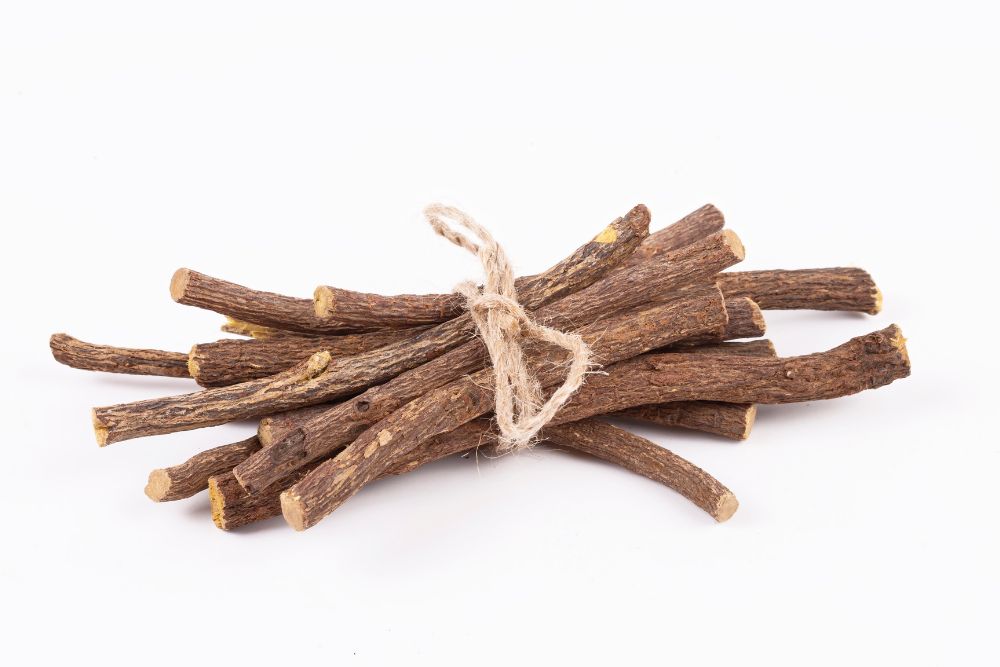
Licorice (Glycyrrhiza glabra) is a woody perennial native to parts of Europe, Asia, and the Mediterranean region. Licorice contains a compound called glycyrrhizin which is fifty times sweeter than table sugar. As such, this plant is commonly used in the food industry as an additive to baked goods, beverages, and various sweets. Licorice is also…
-
The Miracle Elixir, Gotu Kola
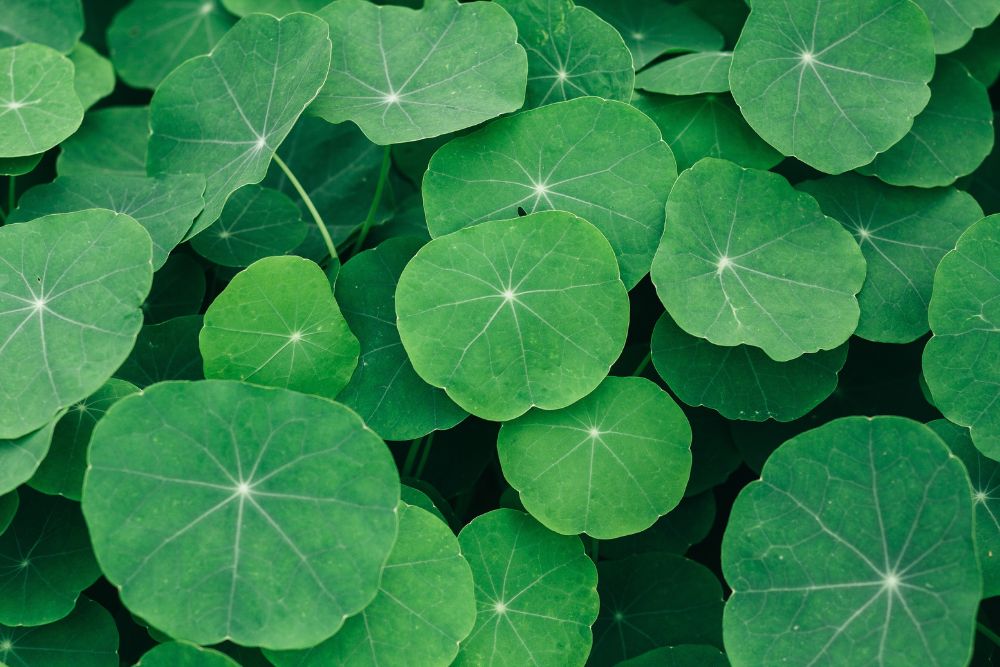
Gotu kola (Centella asiatica) has thousands of years of history behind it. It has been used in traditional Ayurvedic and Chinese medicine for thousands of years and was considered one of the “miracle elixirs of life”. Gotu kola grows in parts of Asia, South Africa, and Eastern Europe, preferring more tropic, wet areas. Commonly used…
-
Grow Your Brain With Lion’s Mane
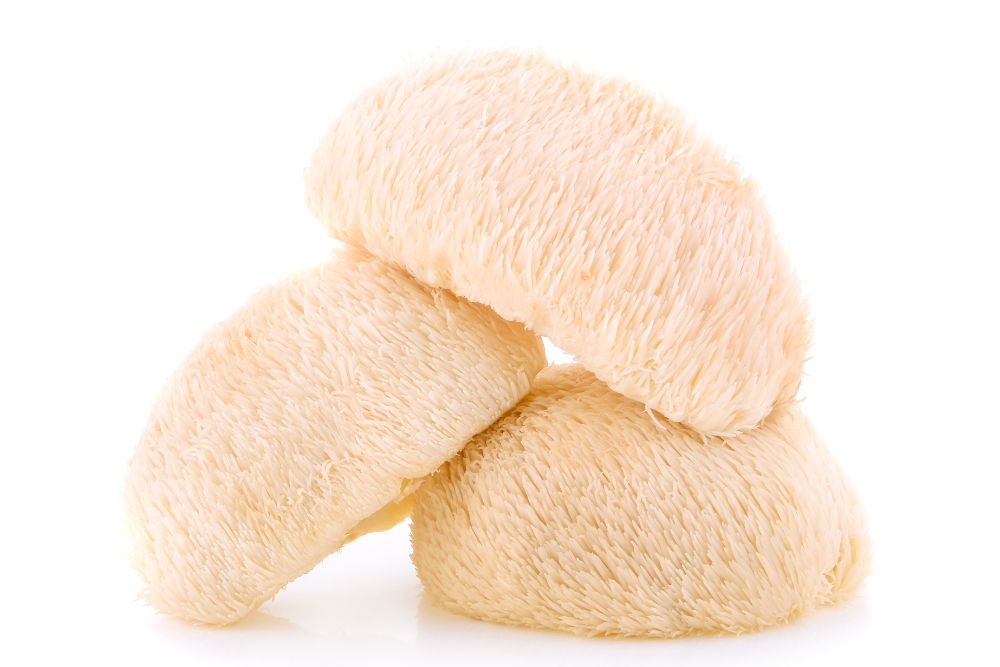
Lion’s Mane Mushroom (Hericium erinaceus), also known as Hedgehog Mushroom, has a long history of medicinal value in Traditional Chinese Medicine (TCM). Native to East Asian countries, it has a white-colored fruiting body with a distinctive shaggy outer appearance. Lion’s Mane has many health-supporting qualities including anti-cancer and immune-modulating action, and is a strong antioxidant. Additionally,…
-
Raspberry Leaf: Not Just for Women

Raspberry Leaf (Rubus idaeus folium) has been used for centuries as an herbal tonic for women. This shrub commonly grows in Europe, Australia, and New Zealand. It is a uterine tonic and is helpful with abnormal and/or painful periods. Raspberry leaf has historically been used for women’s health concerns, but its health applications are much…
-
Feverfew for the Pain in Your Head
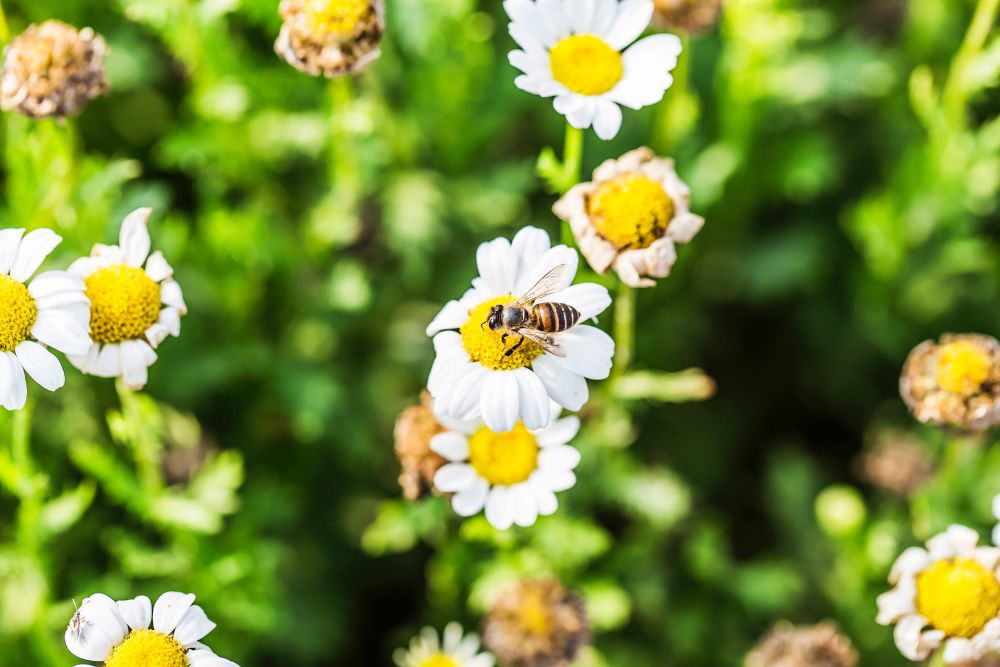
Traditionally feverfew (Tanacetum parthenium) has been used for supporting digestive health, dealing with head pain, asthma, muscle cramping, psoriasis, and treating the common cold. Nowadays, feverfew is often most well-known for its ability to help support migraines. Native to Asia, this plant now grows throughout the world. Feverfew is an aromatic plant and is often…