
Category: VS
-
Cooking Oils: Which Are Best for You?
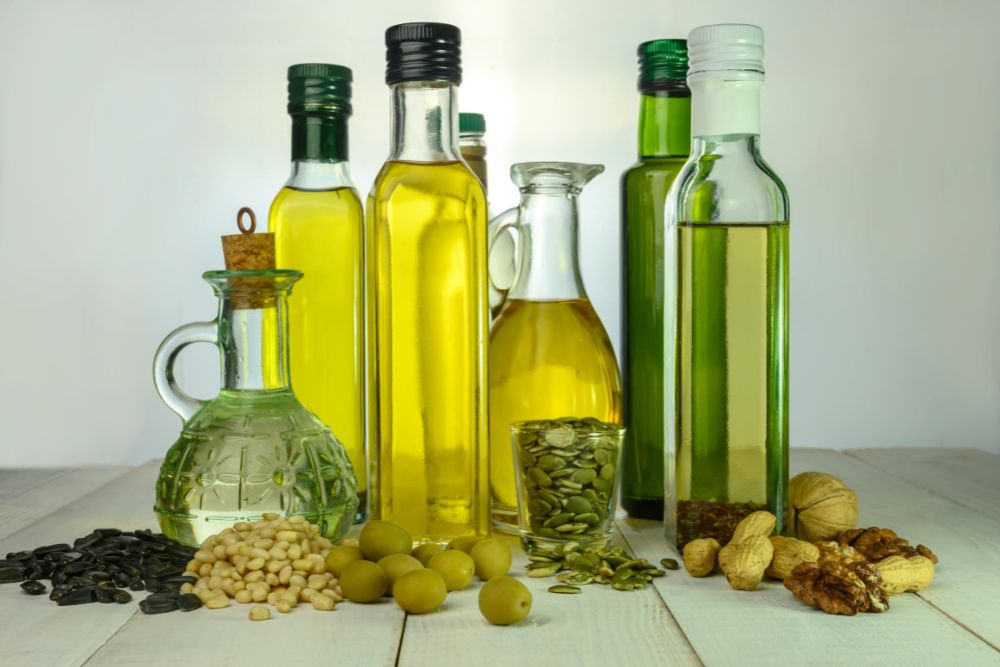
There’s a ton of information out there on cooking oils regarding what is healthy and what isn’t for a variety of reasons. Arguments on both sides of this long-standing debate have valid points to be considered as you choose which oils are healthiest for your family. Below is a collection of factors to consider as…
-
Berberines to the Rescue

Berberine is a natural alkaloid present in plants from the Berberis genus which includes approximately 450-500 species. Its earliest recorded use was in Assyria in 650 BC as a blood-purifying agent. Asian cultures have used plants from the Berberis species for over 3000 years. Traditional uses of berberine included using it in a variety of…
-
Boron – Your Way to Better Bone Health

What is boron? Boron is a naturally occurring mineral which is not considered essential for humans. At this point, there are no established recommendations for daily intake in the United States. However, the World Health Organization considers a boron intake of 1-13 mg per day for adults to be an acceptable level. It’s recommended adults…
-
Bromelain, The Proteolytic Enzyme
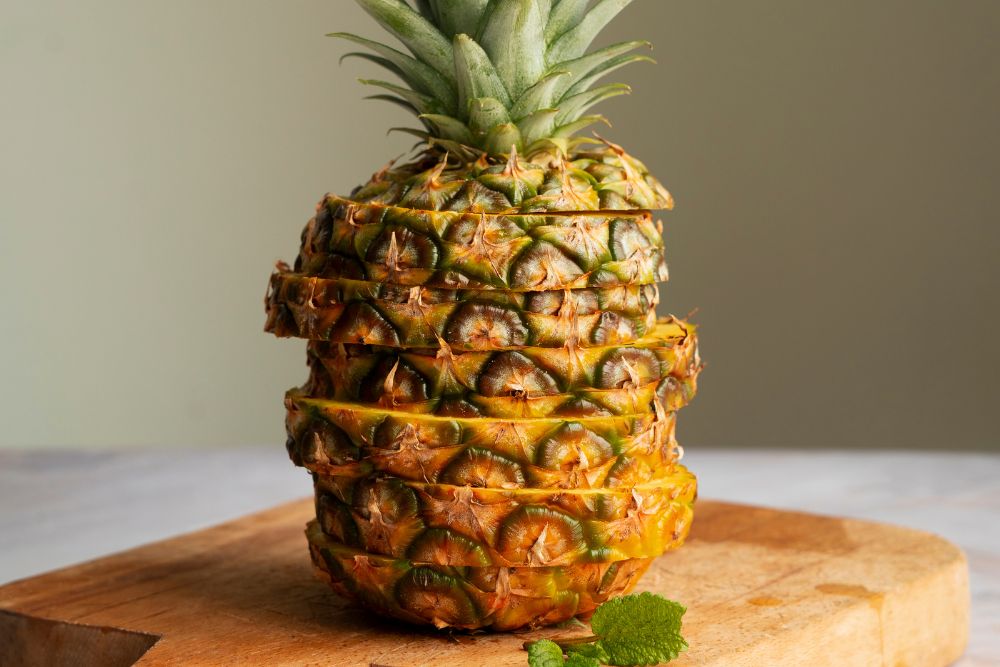
Most people are familiar with pineapple (Ananas comosus), but did you know it contains proteolytic enzymes? These enzymes can break down proteins, and bromelain is one of these. Bromelain is considered pineapple’s most active constituent, and has been used as a medicine in some tropical and subtropical cultures where the plant grows. Discovered in the…
-
Phosphatidylserine for Your Mind
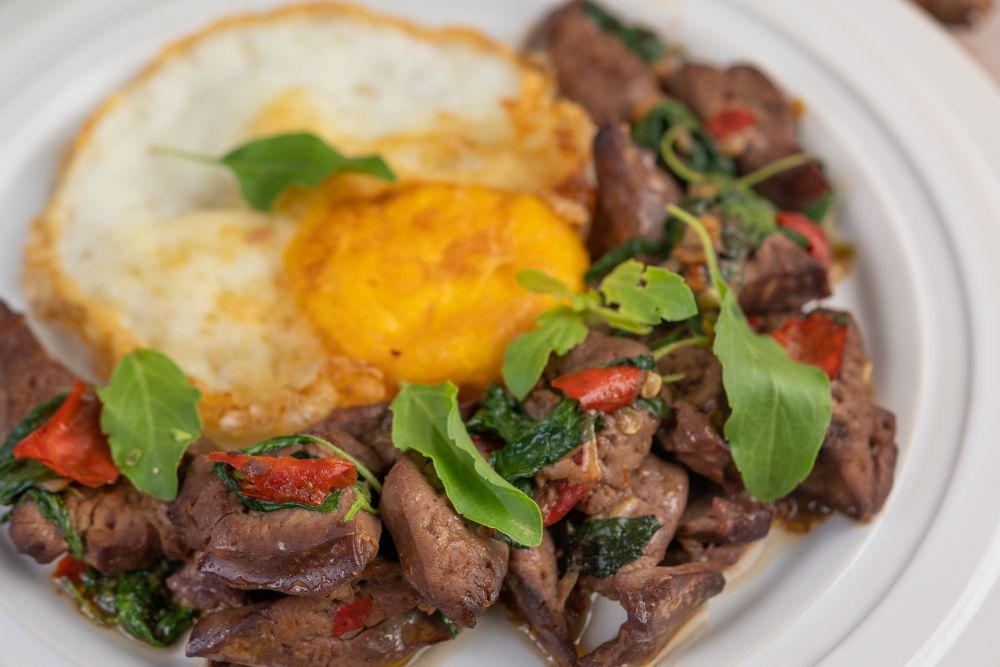
When the human brain gets older, it doesn’t work as efficiently as it used to. This is due to neuron loss, connections between the neurons deteriorating, lower synthesis of neurotransmitters (how neurons communicate), less sensitivity to certain neurotransmitters, and abnormal neuronal membranes. Phosphatidylserine is merely a molecule composed of lipids (fat) and phosphate. One of…
-
Salute to Sole
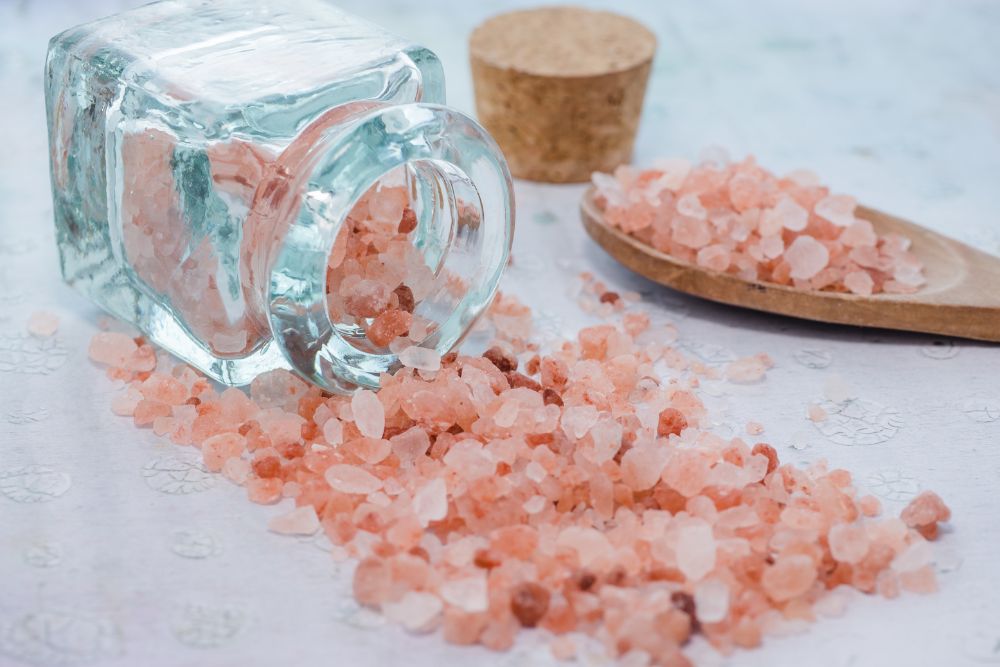
Sole (pronounced sol-ay) is water saturated with dissolved Himalayan rock salt. Himalayan salt is mined from the Khewra Salt Mine, located near the Himalayas in Pakistan. The salt is mined using traditional hand methods. Its soft pink color is due to the trace minerals such as iron inside the salt. The majority of himalayan pink…
-
Energize Your Cells with Coenzyme Q10
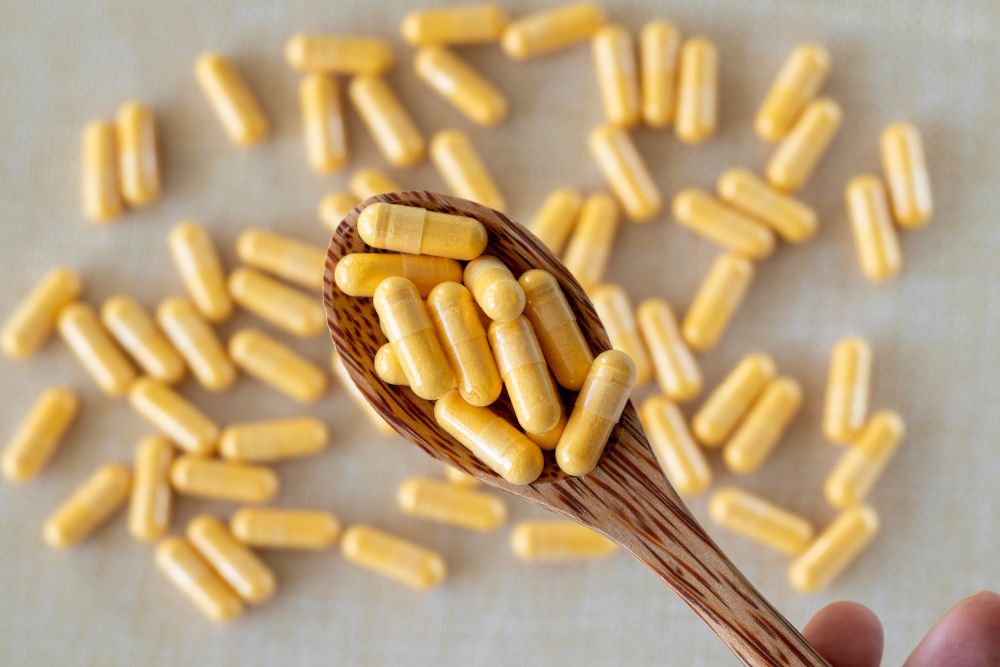
Coenzyme Q10, more commonly known as CoQ10, is an essential cofactor necessary for human health present in all tissues. Discovered in 1957, CoQ10 is similar in molecular structure to some vitamins, but it can be made in the body. This molecule is highly concentrated in organs such as the liver, heart, kidney, and other organs…
-
Ozone: Good for Your Mouth?

Used in dentistry since the 1930s, ozone is a naturally occurring molecule. Created by three molecules of oxygen, its stability depends on temperature and air pressure. Ozone is a colorless gas, and it has a strong ‘electric’ smell at room temperature. It is also a powerful oxidant, meaning it can eradicate many different microbes. Originally…
-
The Power of Earth
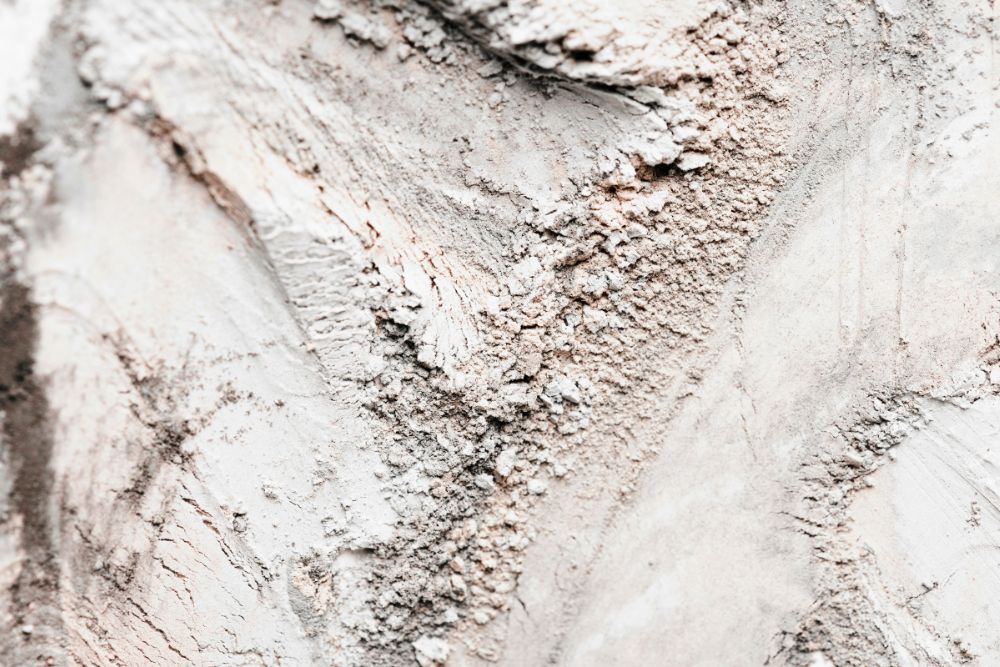
Bentonite clay, also known as Montmorillonite clay, has been used by humans for thousands of years. It is named after Fort Benton, Wyoming, where some of the largest deposits of clay are located, and the Montmorillon region in France where it was first found. It has been used as a therapy to treat diarrhea and…
-
Grab Yourself a Cup of Sunshine

Melissa officinalis, also known as lemon balm, bee balm, or honey balm, is a perennial plant that is grown all over the world. It grows in a wide variety of soil conditions and elevations from sea level to the mountains. Lemon balm can be used for a wide variety of health concerns, and research is…