
Category: Therapy
-
Motivational Interviewing

It’s possible to help people find motivation to create positive lifestyle changes by using motivational interviewing techniques. Motivational interviewing assumes people with less-than-ideal behaviors are at various stages of preparedness for making changes. This tool can be especially helpful for people who are ambivalent about building new lifelong habits. These can include starting a healthier…
-
Ear Seeds for Health

Traditional Chinese Medicine (TCM for short) uses many tools to support health. Using ear seeds is one of these tools. Ear seeds are small stickers about the size of a fingernail that contain a seed, generally from the Vaccaria plant. The stickers are then placed on specific points on the ear. The external ear represents…
-
Getting to the ‘Root’ of Grounding Mats

Grounding, sometimes called ‘earthing,’ involves connecting your body to the Earth. Grounding embraces the Earth and all the living things on it as part of a global electrical system. The idea of improving human health by touching the earth was suggested over 130 years ago. Nowadays, humans make plastic shoes, drive cars with rubber tires,…
-
Halotherapy to the Rescue

Halotherapy, or salt therapy, involves breathing in fine salt particles for health benefits. Discovered in the early 12th century, salt therapy was formally studied in the 1800s. Research has shown halotherapy can be helpful for respiratory symptoms. This includes chronic obstructive respiratory disease (COPD), asthma, cystic fibrosis, and bronchiectasis among others. Patients reported less cough,…
-
Testicular Self-Exam

The most common cancer for males between the ages of 15 to 35 is testicular cancer. The vast majority of testicular cancer cases are easily treatable if diagnosed early. Testicular exams are the main way this cancer is diagnosed. Sadly, somewhere between 40-90% of men, depending on the country, do not perform self-exams. Generally, healthcare…
-
Exercise for Your Bones
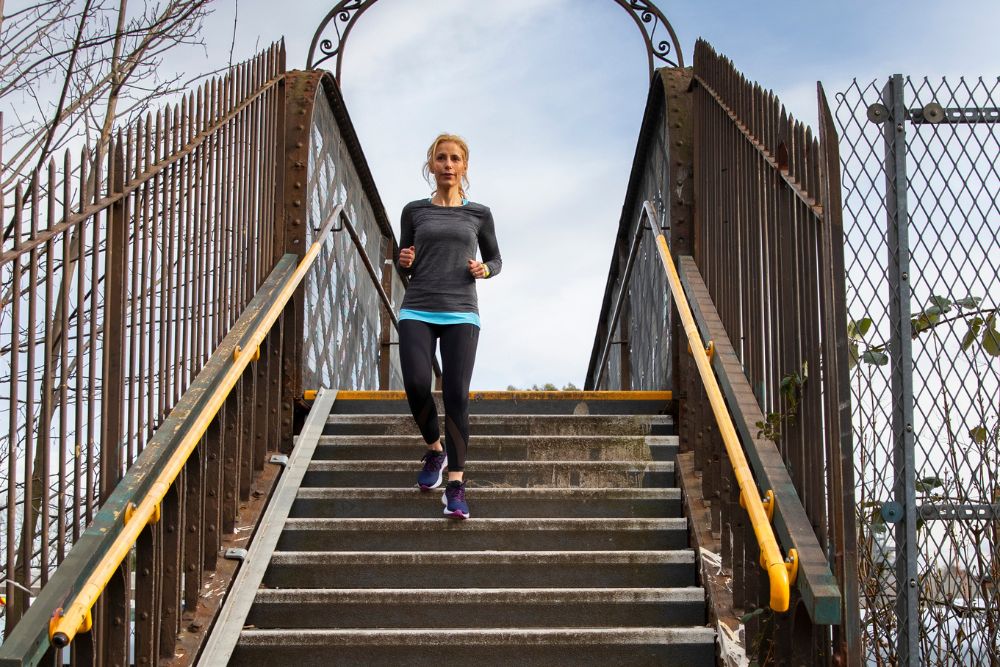
Most of us have been told exercise is good for a ton of reasons, but one of the most important is bone health. With 1/4 – 1/2 of all adults breaking a bone at some point in their life, keeping bones healthy can help prevent this. Science has shown exercise or other physical activities put…
-
Benefits of Volunteering

In the fast-paced world of the 21st century, time itself is at a premium. If you are a working professional, college student, a parent, or whatever else, there are never enough hours in a day. There’s hardly enough time to get extra things done like home improvement projects, self-care (reading or working out for example),…
-
Adjustments for Health
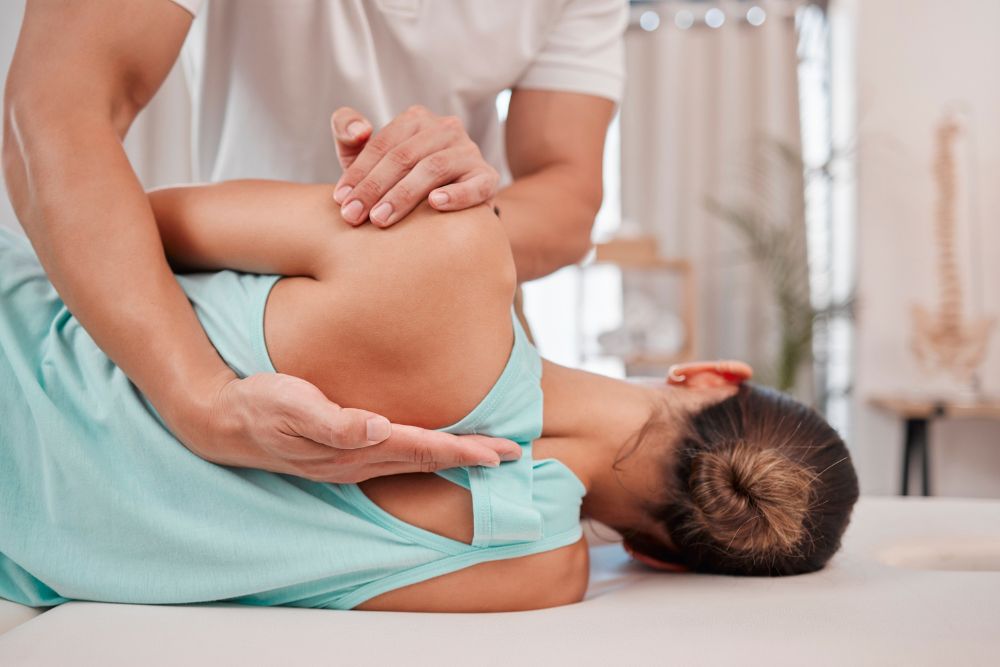
Once considered a “quack science” by some, chiropractic is now one of the leading alternative health systems in the United States. About half of all Americans have seen a chiropractor as a patient at some point in their lives. Chiropractors are licensed healthcare professionals who use a holistic approach. They have a four-year undergraduate degree…
-
Balneology with Peat

Therapeutic bathing, otherwise known as balneology, has been used by humankind for thousands of years. Specifically, peat baths have been used around the world to treat rheumatic and gynecological diseases as well as osteoarthritis, sciatica, skin disease, trauma, etc. Peat was even used directly on wounds in World War I to prevent infection. Peat has…
-
HIIT to be Fit
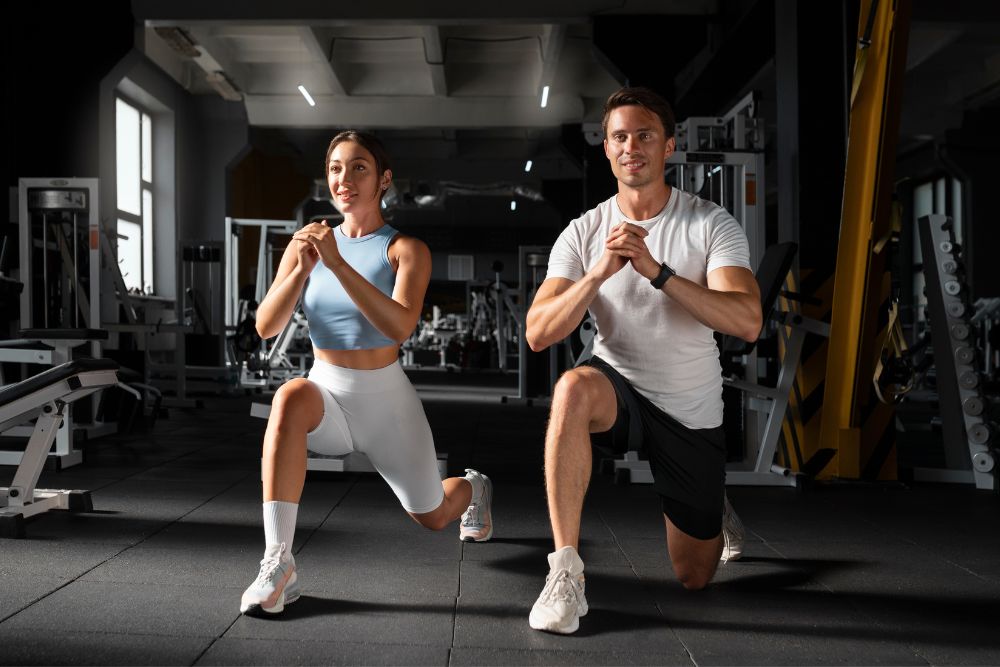
One of the strongest predictors of future health quality is to consider aerobic exercise capacity. The better the aerobic capacity, the lower the risk of death from any cause. To support this goal, it’s generally recommended to get 150 minutes of light or 75 minutes of moderate to vigorous exercise per week. HIIT training, by…